| ||||||||||||||||||||||||||||||||||||||
| 统 |
|
 Hanzi-Trainer |
||||||||||||||||||||||||||||||||||||
| ||||||||||||||||||||||||||||||||||||||
Signification
 context, to gather, to unite, whole 
| ||||||||||||||||||||||||||||||||||||||
Prononciation
|
tǒng | |||||||||||||||||||||||||||||||||||||
Explication |
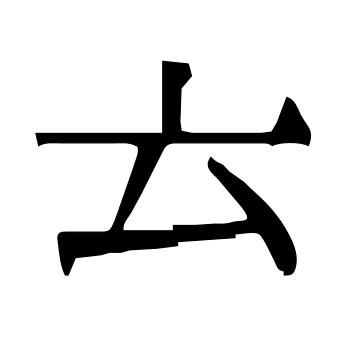
A gauche: fil 纟/糸, à droite: satisfaire, remplir 充 (Le nouveau-né  [= enfant 子 à l'envers, parce qu'il vient avec la tête en premier] tâtonne avec ses jambes 儿 pour être 'rempli' [= nourri] et ainsi être satisfait. (cf. 流) Left: thread 纟/糸, right: satisfy, to fill 充 (The newborn baby  [= child 子 upside down, because it comes with the head first] flounders with his legs 儿 to be 'filled' [= fed] and thus be satisfied. (cf.流) | |||||||||||||||||||||||||||||||||||||
|
Les fils sont satisfaisants s'ils s'inscrivent dans un contexte. (c'est-à-dire tissés) Threads are satisfying if they are in a context. (i.e. woven) | |||||||||||||||||||||||||||||||||||||
Radicaux
| ||||||||||||||||||||||||||||||||||||||
Vocabulaire
| ||||||||||||||||||||||||||||||||||||||




| 统一 | tǒng yī | unifier ; unir ; intégrer |
| 笼统 | lǒng tǒng | général ; large ; en termes généraux ; d'une manière générale |
| 统帅 | tǒng shuài | commandement ; commandant en chef |
| tǒng yī zhàn xiàn | front uni | |
| 传统 | chuán tǒng | tradition ; traditionnel ; convention ; conventionnel |
| 统治 | tǒng zhì | gouverner (un pays) ; gouverner ; règle ; régime |
| 统计 | tǒng jì | statistiques ; compter ; additionner |
| 总统 | zǒng tǒng | président (d'un pays) |
| xì tǒng | système | |
Liste des caractères | Liste des radicaux